“Wonderful business. My counters and floors look awesome! Justin is professional and personable.”
Marble Floor Polishing in Mesa and the East Valley
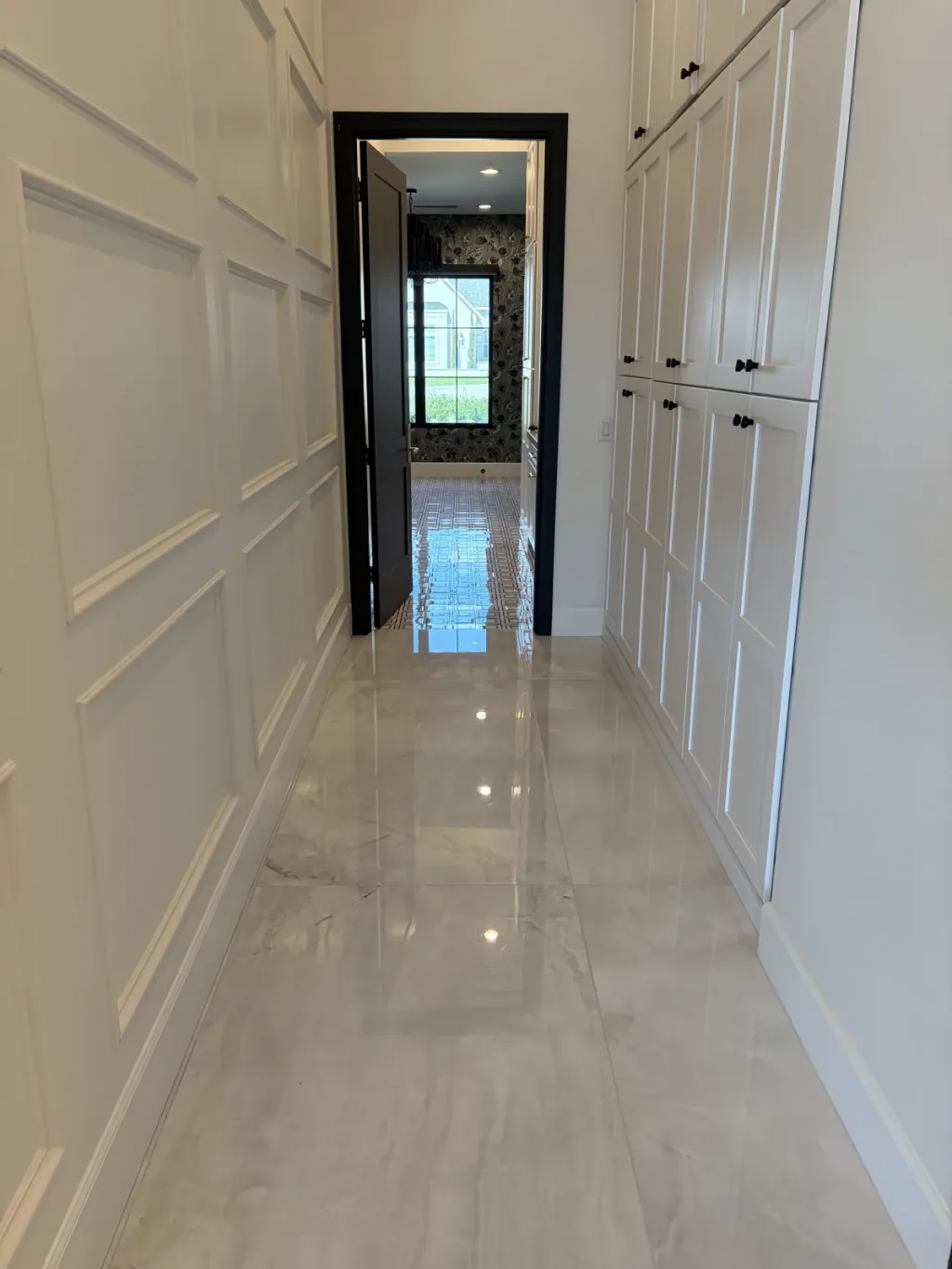
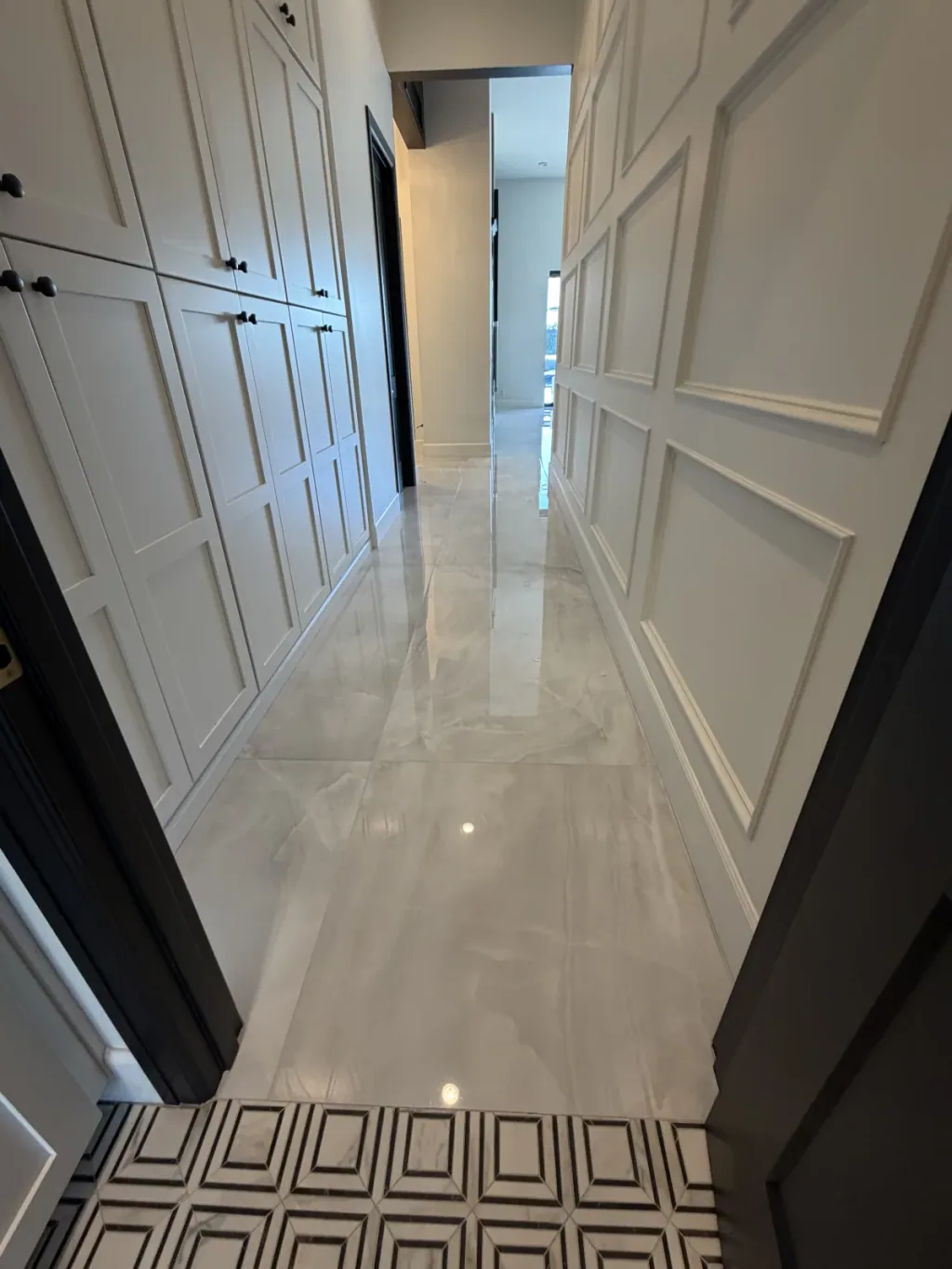
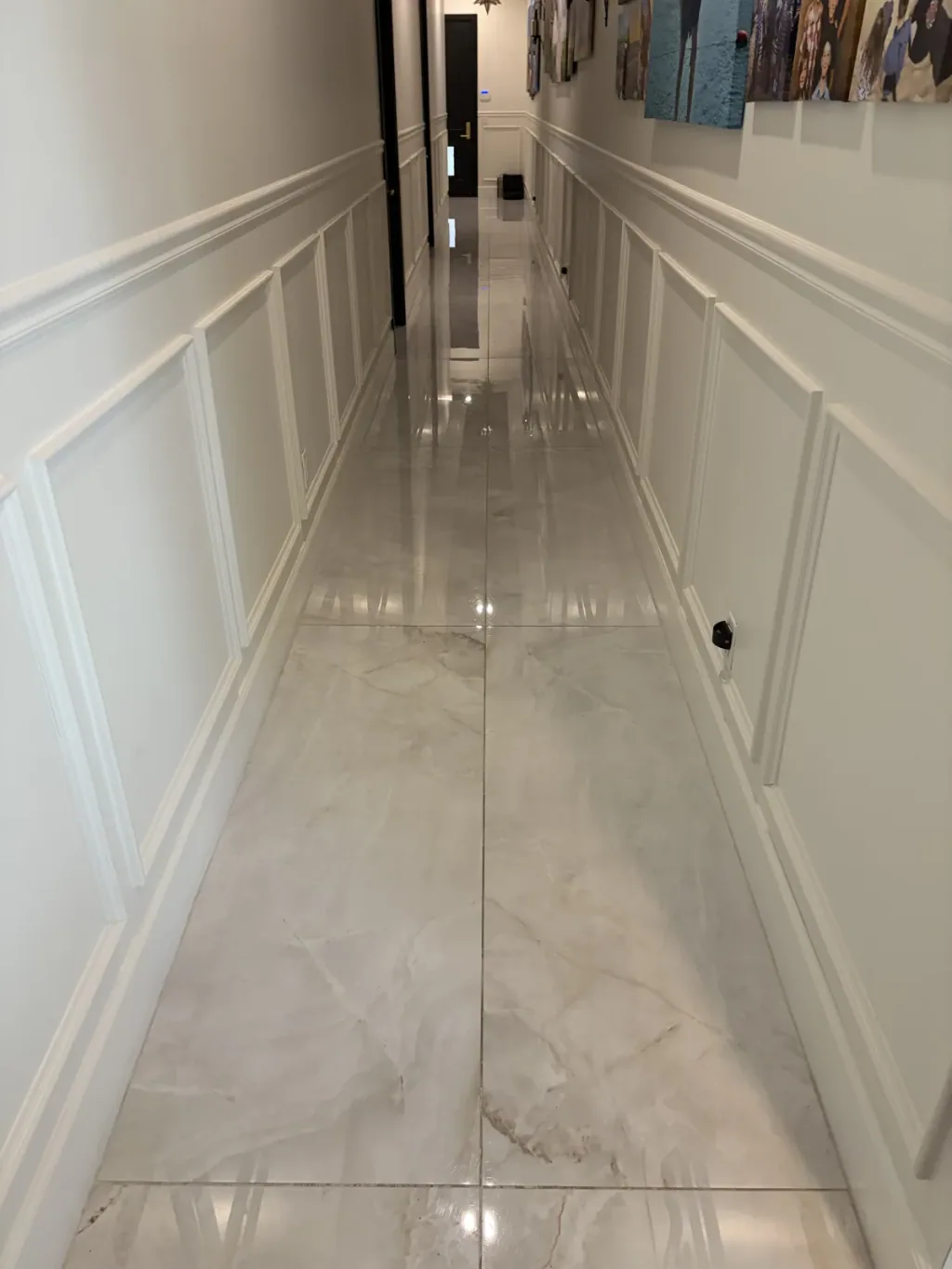
Dull traffic lanes, etch marks, scratches, and uneven shine can make a marble floor look permanently worn. Stain Wranglers restores the stone itself instead of covering it with a temporary coating.
We inspect the damage and explain whether the floor needs cleaning, honing, polishing, or repair. Our in-home estimates are free.

Google Reviews
More than 100 reviews with a five-star rating.
“Wonderful service and the customer service is top notch! They got my floors spotless, which with 4 dogs is no easy task! Highly recommend!”
“AMAZING!!! Looks like I got brand new floors! Thank you. Would highly recommend”
“I highly recommend his floor cleaning services! He's reliable, professional, and does an excellent job. My floors looked amazing, and I couldn't be happier with the results.”
“Stain Wranglers are honest, reliable and trustworthy. They have impeccable work ethic and will treat you fairly. Please give them a try.”
“Outstanding customer service! So refreshing to use a company that carries very high standards. Stain Wranglers exceeded our expectations. A+”
“Highly recommend! On time, great service, and very professional. Very meticulous in their work.”
“When you meet someone, with character you know!! This is what my first impression was of Stain Wranglers, will use them over and over and spread the word to everyone. Thank you”
“Justin was quick to show up and get the job scheduled. He worked hard to get our home clean and followed up after he was done to make sure we were happy. Customer service at its finest! Highly recommended”
“Justin is super friendly and explains everything thoroughly. Def would recommend!”
What we check before polishing a marble floor
Wear and traffic lanes
We look at where the shine has worn away and whether the damage follows the path people walk.
Etching and stains
Light dull marks, dark absorbed stains, and surface film need different corrections.
Scratches and lippage
We check scratch depth and raised tile edges to decide how aggressive the first pass needs to be.
Old finish and repairs
Existing coatings, filled cracks, loose grout, and previous repair work can change the restoration plan.
Does your marble floor need cleaning, polishing, or repair?
Cleaning
Best for surface soil, residue, and film when the stone underneath is still smooth and evenly finished.
Honing and polishing
Used when traffic, etching, or fine scratches have changed the surface of the marble itself.
Repair
Cracks, chips, open joints, and deep scratches may need repair before the floor is refinished.
Protection
After restoration, we discuss sealing and daily care based on how the room is used.
Marble floor repairs and long-term protection
Surface and finish
Uneven tiles and lippage
Raised edges can catch light and make the floor look uneven. We assess whether they can be blended safely as part of the restoration.
Worn and etched areas
Traffic lanes and acid damage often need to be refinished to a natural stopping point so the sheen stays consistent.
Repairs and protection
Cracks, chips, and joints
Repairs that affect the finished plane should happen before honing and polishing.
Sealing and protection
Once the finish is restored, we discuss sealing, entry mats, and maintenance that help protect it for long-term use.
What to expect during marble floor restoration
Inspect and protect
We confirm the condition, agree on the finish, and protect nearby surfaces.
Hone the damage
A wet abrasive process removes wear, etching, and scratches as evenly as the floor requires.
Refine and polish
Progressively finer passes create the sheen without applying a temporary coating.
Clean and protect
We remove the slurry, inspect the finish, and discuss sealing and care before handoff.

What marble floor polishing can—and cannot—fix
Polishing can restore
Dull traffic lanes, many etch marks, fine scratches, and uneven sheen can often be corrected.
Cleaning handles residue
If soil or product film is sitting on a sound finish, the floor may need professional cleaning instead.
Deep damage needs assessment
Deep scratches, cracks, loose tiles, and slab movement may require repair or another trade first.
Sealer has limits
Sealer can slow absorption, but it does not stop acidic liquids from etching marble.
How to care for polished marble floors


Use mats where traffic enters. They catch the grit that creates worn lanes.
Vacuum or dust-mop before wet cleaning. Use a pH-neutral stone cleaner and avoid vinegar, lemon, and acidic hard-water removers.
Protect the finish. Use felt pads and lift heavy furniture instead of dragging it.
Reseal based on the stone. We can test absorption during a maintenance visit instead of guessing from a calendar.
What affects the cost of marble floor restoration?
Every floor is different, so we price the work after seeing it in person. Your in-home estimate is free.
- Floor size and room access
- Depth of wear, etching, and scratches
- Repairs needed before polishing
- Honed or polished finish
- One area or the full connected floor
We will walk through those choices with you and explain what the floor needs before you approve the work.
Marble floor polishing questions
Is it worth restoring, or should we just replace the floor?
Weigh this first: you have already bought the material. Marble was almost certainly a deliberate choice when the floor went in, and refinishing works on the stone already in the room rather than on stone you would have to buy again. It is also repeatable, because it takes a microscopic layer at a time, so it is not a card you can only play once. We will not publish a cost comparison, because an honest one depends on your floor, your room, and the condition of the stone; that is a fair question for the phone and we will answer it there. The conditions that point toward replacement instead of restoration are set out on the travertine floor polishing page.
Will the color or the veining look different afterwards?
Usually yes, and usually in the direction you want. A worn or etched surface scatters light, which flattens the stone visually: the veining reads muted and the whole floor reads grey. Once the surface is flat again, light goes into the stone and comes back out of it, and the depth and the variation come with it. That is what people mean when they say a restored floor looks wet. The other half of the answer is that removing material can also expose variation the old finish was sitting over, a band or a shade change nobody had seen before. That is not damage. It also does not go back.
Our marble keeps etching no matter what we do. Is there a finish that copes better?
A honed finish copes better. It is a flat satin surface, not a mirror, so it scatters light instead of returning it from one plane, and light etching and traffic marks are far less legible on it. That makes it the practical recommendation for a household that is not going to keep a mirror looking like a mirror: a busy entry, a house with dogs, a kitchen people cook in every night. What honed does not do is make the stone harder. Marble is marble either way, and it will still etch on contact with anything acidic. You just see it less.
How long will the finish last before it needs doing again?
The useful thing to know first is that a refined finish does not fail; it wears. There is no coating on the floor to peel, cloud, or let go at an edge, because the finish is the surface of the stone itself. What that means in practice is that you will not wake up to a floor that has gone off all at once. You will see the same lane come back first, in the same place it came back before, for the reason the aftercare section on this page sets out: the wear is where the traffic and the tracked-in grit are, and it is concentrated rather than spread evenly. We do not publish an interval for this, and we would be making it up if we did: the pace is set by how many people cross that floor, what they bring in on their shoes, and whether there is matting at the doors they actually use, and those three things vary more between two houses than anything about the stone does. What we can tell you is that the floor caught while the lane is faint is a different piece of work from the floor caught once the wear has gone deep, because the first one needs refining passes and the second one needs the coarse end of the sequence. That is the same swing factor the section on quoting describes, and it is the practical argument for calling when you first notice a lane rather than when you can no longer ignore it.
We have other work happening in the house. When should the floor be done?
Last, or close to it. What wears a marble floor is grit, and a house with trades in it has grit walking through all day: drywall dust, cut material, gravel off boots. A newly finished floor put under construction traffic takes that wear before anyone has had a chance to get matting down. If the schedule forces the floor earlier, it can go earlier, but it needs covering properly, and that is a conversation to have first.
How do I know the floor was actually refined and not just made shiny?
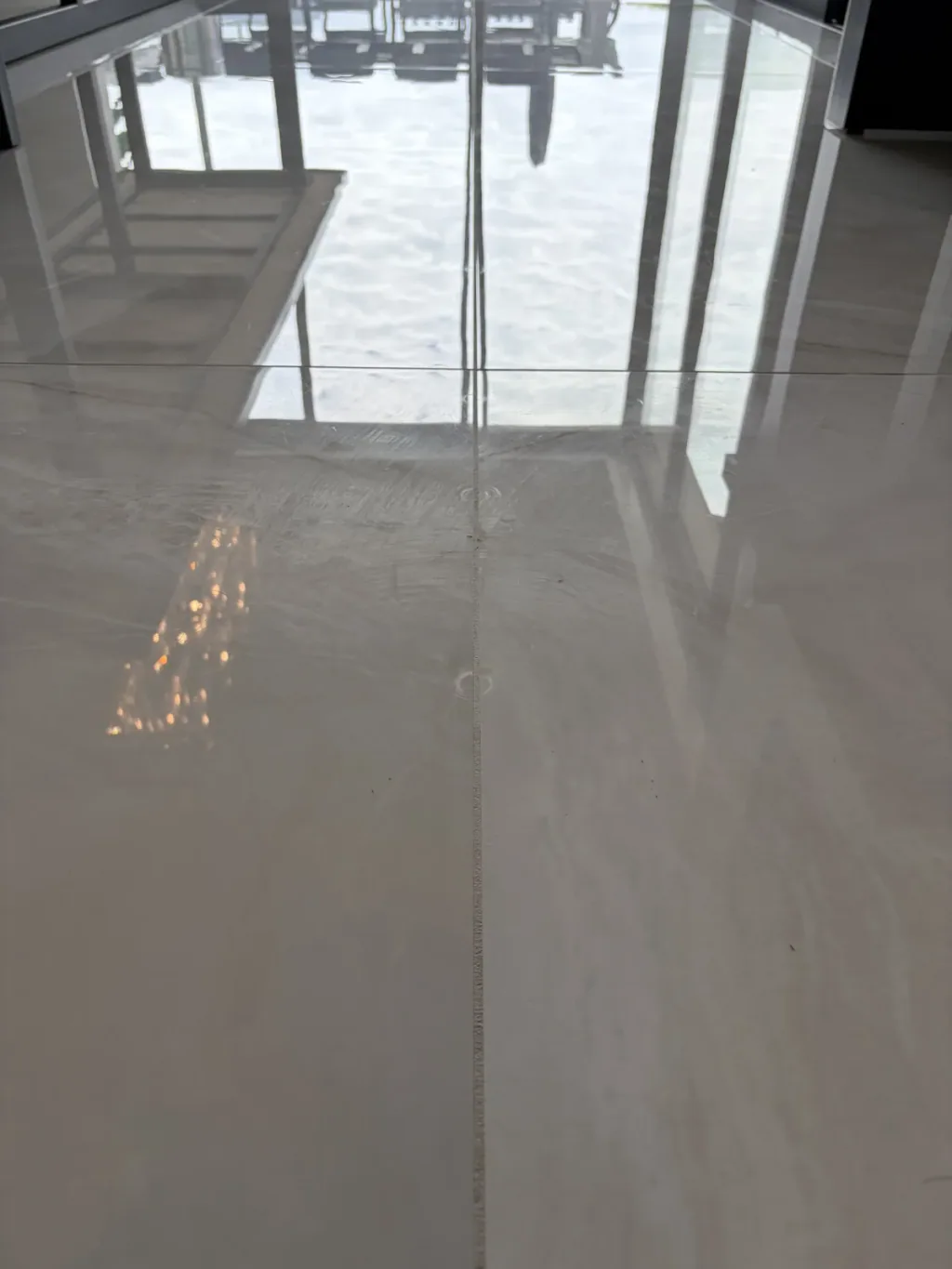
The finish on a properly refined floor is the surface of the stone itself, so it cannot be mopped or scuffed off. That is the real test, and it takes time to run. Anything topical tends to declare itself within months, usually along the line people walk. The check available on day one is to look across the floor toward a window instead of down at it, in more than one part of the room. A refined plane hands the window back as a window. A surface made glossy without being flattened first hands it back as a smear, and it reads differently in the walked part of the room than in the unwalked part. There is also a shortcut worth knowing about, which produces shine quickly by chemical means without refining the stone. What it is, and why it is difficult to correct later, is on the floor polishing page.
What our customers say after the work is finished
These customers are speaking about their experience with Stain Wranglers. The clips are not presented as marble-floor project footage.
Contact Stain Wranglers.
Request an assessment for your home or commercial property. Call or text us, and a photograph of the surface usually tells us most of what we need to know.
- Residential and commercial, Greater Phoenix, Arizona
- No charge to have us look at it
- Prefer to write? stainwranglers@gmail.com