
“Wonderful business. My counters and floors look awesome! Justin is professional and personable.”
Granite Countertop Stain Removal in San Tan Valley and the East Valley
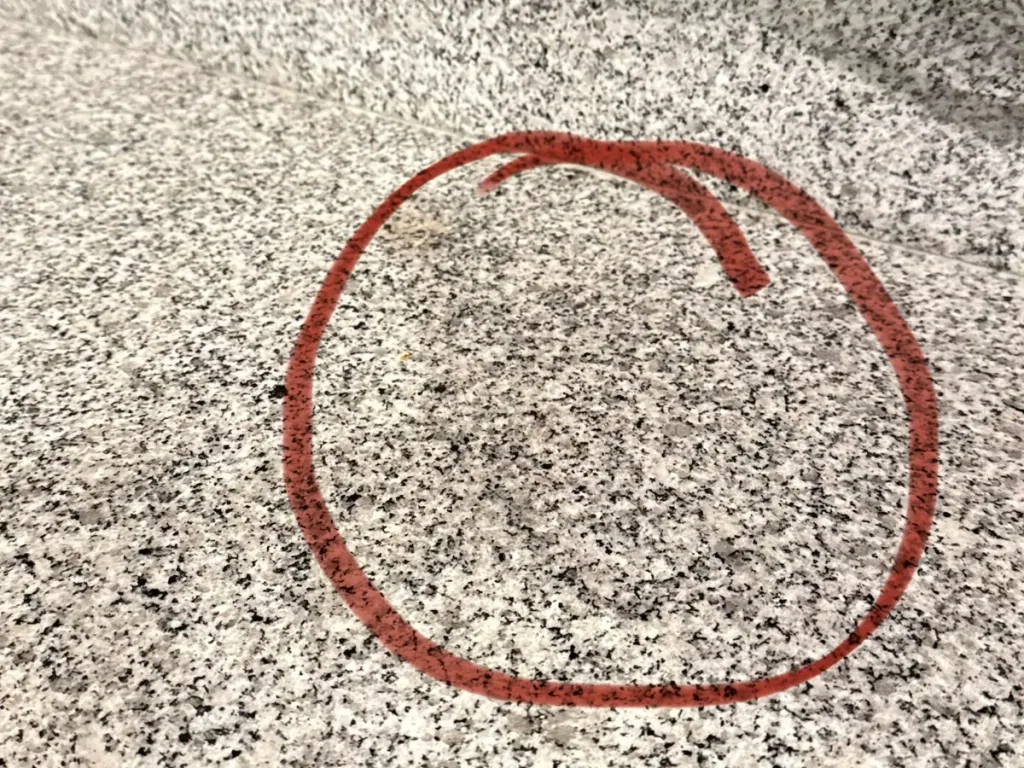
A dark patch beside the stove, a shadow where the soap bottle sat, a ring around the faucet that never seems to dry. Most dark marks on granite are something that soaked into the stone, and the fix depends on what it was. We work out whether it is oil, water, rust, or mineral buildup, draw it out with a treatment matched to it, and only seal once the stone is clean and dry. If you already tried baking soda and the spot got bigger, that happens a lot. Text us a photo.
Google Reviews
More than 100 reviews with a five-star rating.
“Wonderful service and the customer service is top notch! They got my floors spotless, which with 4 dogs is no easy task! Highly recommend!”
“AMAZING!!! Looks like I got brand new floors! Thank you. Would highly recommend”
“I highly recommend his floor cleaning services! He's reliable, professional, and does an excellent job. My floors looked amazing, and I couldn't be happier with the results.”
“Stain Wranglers are honest, reliable and trustworthy. They have impeccable work ethic and will treat you fairly. Please give them a try.”
“Outstanding customer service! So refreshing to use a company that carries very high standards. Stain Wranglers exceeded our expectations. A+”
“Highly recommend! On time, great service, and very professional. Very meticulous in their work.”
“When you meet someone, with character you know!! This is what my first impression was of Stain Wranglers, will use them over and over and spread the word to everyone. Thank you”
“Justin was quick to show up and get the job scheduled. He worked hard to get our home clean and followed up after he was done to make sure we were happy. Customer service at its finest! Highly recommended”
“Justin is super friendly and explains everything thoroughly. Def would recommend!”
First, is it a stain or is the granite just wet?
Granite is porous. Water soaks in, the stone goes darker, and the mark fades as it dries. So the first test is time.
- Dark when wet, gone an hour laterThat is water, not a stain. If it happens every time, the stone is absorbing freely; see granite cleaning and sealing.
- Still darker once fully drySomething soaked in and stayed. That is a stain, and this page is for you.
- Lighter or duller than the stone around itThe surface has changed. A poultice will not help; that needs granite polishing.
What common granite stains look like
Where the mark is and what color it is usually tells us what soaked in, and that decides the treatment.
Oil and grease
A dark patch with a soft, spreading edge that never fades. Under oil bottles, butter dishes, greasy pans.
Soap and sponge marks
A darker area under the soap dispenser or sponge. Hand and dish soaps carry oils, so these stay dark after the water dries.
Dark rings
Water getting past failed caulk, or oil leaching from plumber's putty under a fixture. The source has to be fixed too, or the ring comes back.
Rust
Often has a shape: the base of a can, a cast-iron pan, a metal planter or decoration.
Hard-water crust
Mineral left around the faucet base. It sits on the stone, not in it, so it comes off with a flat blade and stone-safe cleaner, not acid or pumice.
Color-enhancing sealer
Not a stain at all. An enhancer deepens the stone's color on purpose, and a poultice will not reverse it.
Why baking soda and water often makes it worse
It is the most common advice online. On an oil stain it usually fails, because water does not dissolve oil. Worse, the wet paste can push the oil further into the stone and leave a damp shadow of its own, so the spot looks bigger the next morning.
If you have tried any of these, stop adding wet treatments and let the area dry. Most stains can still be treated.
- Baking soda and waterCan spread oil and leave its own shadow.
- Nail polish removerNot pure acetone. Many contain oils that add to the stain.
- Vinegar, lemon, bathroom acidsWear down sealer, and dull stones sold as granite that contain acid-sensitive minerals.
- Rust removersOften acidic, and some attack granite itself.
- Pumice and scouring padsScratch a polished counter while removing crust.
How a poultice draws a stain out
A stain sits in the pores, so scrubbing the surface never reaches it. A poultice works from the other direction.
Dissolve that stain
A solvent for oil, a different treatment for coffee, tea, or wine, an iron-specific product for rust. The wrong one is the main reason home poultices do nothing.
Pull it up and out
The absorbent paste stays on until it dries. As it dries, it draws the dissolved stain up out of the stone and into itself.
Repeat if needed
Treated stone looks darker while damp, so the result shows once it dries. Older or deeper stains may need a second or third round.
When a stain will not fully come out
Most stains improve a lot. Some do not disappear completely, and we tell you which category yours is in before treating it, so you are not paying for treatment that cannot work.
Old, deep oil
Can lighten a great deal and still leave a faint shadow.
Deep rust
Can be reduced, but sometimes not removed.
Resin-filled slabs
Resin changes how the stone absorbs and how it responds to some treatments.
The stone itself
Natural dark mineral clusters or a tint can look like a stain and are not one.
Sealing comes last, not first
Sealer slows down how quickly liquids soak in. It does not remove a stain, and sealing over a stain or damp stone traps it in place. That is why it is the final step, once the stain is out and the stone has dried.
More on how granite behaves is in our granite countertop repair guide.
Check whether your counter needs sealing
- Pick an area you use often, away from any stain.
- Leave a small puddle of water on it for about fifteen minutes.
- Wipe it off. If the stone darkened underneath, it is absorbing, and sealing will help once any stains are dealt with.
What to expect when we work on your countertops
Work out what the mark is
We ask what sat there, how long the mark has been there, and what has already been tried. Then we check whether it fades as the stone dries, whether it is darker or lighter than the stone around it, and whether anything is sitting on the surface.
Clean the surface and protect the area
Grease and cleaner film come off first, so the treatment reaches the stone instead of the residue on top. Nearby cabinets, backsplash, and fixtures are protected.
Apply a poultice matched to the stain
The poultice is an absorbent paste made with a chemical chosen for the stain: a solvent for oil, a different chemistry for organic marks or rust. It stays on until it dries and draws the stain up into itself.
Let the stone dry, then decide on sealing
Treated stone looks darker while it is damp, so we judge the result once it has dried. Some stains need another application. When the stain is out and the stone is dry, we check whether sealing would help.
Get an estimate for your countertop
Your estimate depends on what the stain is, how large and old it is, how many areas need treatment, and whether sealing is needed afterwards. Some stains take more than one application with drying time in between, and we tell you if we expect that before starting.
Send one photo of the whole countertop and a close-up of the area that concerns you. Include your city, the approximate size, and any products already used. Photos help us plan the assessment; we may need to inspect and test the stone before confirming the work.
Based in San Tan Valley, we serve Queen Creek, Gilbert, Mesa, Chandler, and the rest of the East Valley.
Questions before booking
Will a water stain on granite go away on its own?
Often, yes. Water darkens granite while it is in the stone and fades as it evaporates, which can take hours on a vanity and much longer for a large or long-standing patch. A mark that stays dark after the stone is completely dry is usually something other than water.
I tried baking soda and the stain got bigger. Did I ruin it?
Probably not. A wet paste can push oil further out into the stone and leave its own shadow while it dries. Stop adding wet treatments, let the counter dry, and send us a photo. A spread-out oil stain can usually still be drawn out with the right poultice.
Can I use vinegar, bleach, or a rust remover on granite?
We would avoid them. Some stone sold as granite contains minerals that acid will dull, acids wear down sealer, and some rust removers contain acids that attack granite itself. Bleach can lighten some stones. Use a cleaner made for natural stone until the stain has been identified.
How many treatments does a stain take?
It depends on what the stain is, how deep it went, and how long it has been there. A recent spill can come out with one application; older oil often needs more than one, with time to dry in between. We tell you what we expect after looking at it.
Can every stain be removed?
No. Deep, old oil and some rust stains improve without disappearing completely. Darkening caused by a color-enhancing sealer, and natural dark patches in the slab, are not stains at all. We tell you which category your mark is in before treating it.
Should I seal my granite after the stain comes out?
Only once the stone is clean and completely dry, and only if it is absorbing water. Sealer slows future staining. Applied over a stain or damp stone, it traps the problem in place.
Hear directly from our customers
Real customers describing their experience with Stain Wranglers after the work was finished.
Request an assessment.
Tell us about your surface and what you’re seeing. We’ll help you work out the next step for your home or commercial property.
- Stone, tile, floors and countertops
- Residential and commercial, San Tan Valley & the East Valley, AZ
- No charge to have us look at it
Having trouble with the form? Open it in a new tab.